

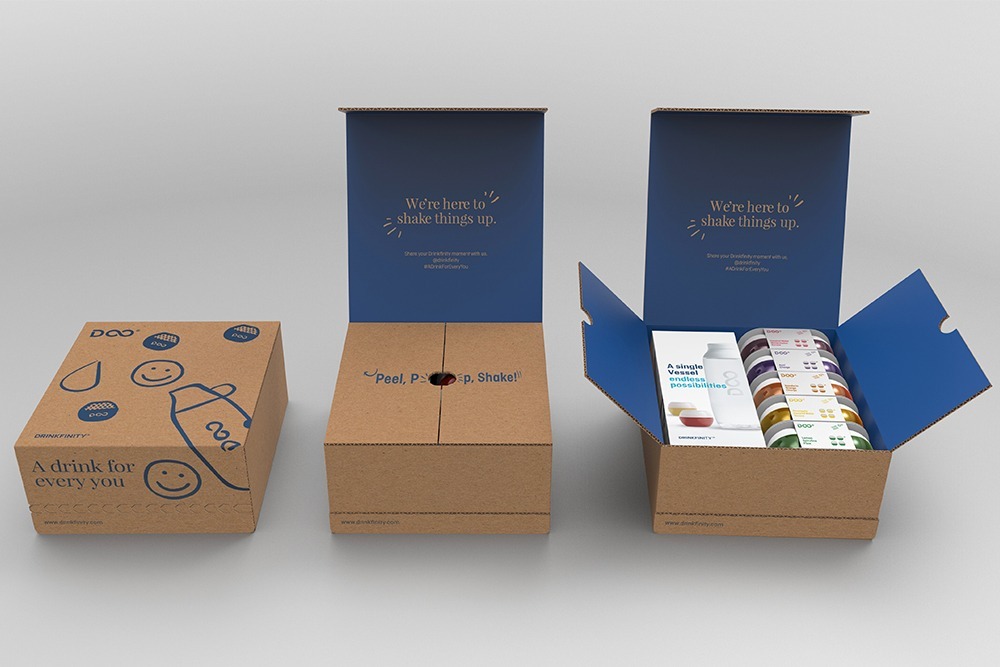
The rise of direct-to-consumer (D2C) businesses has fundamentally reshaped how products move from brands to customers. What was once a purely logistical process has now become a crucial part of the overall customer experience. Shipping is no longer just about delivering a product; it is about delivering a brand promise. Every parcel that reaches a customer’s doorstep carries not only the product inside but also the perception of the brand behind it. Packaging leaders like Dhwani Polyprints are enabling businesses to rethink this final mile, transforming it into a meaningful touchpoint rather than a transactional endpoint.
As online shopping continues to grow, customers are becoming more discerning about every aspect of their purchase journey. From website experience to delivery speed, every detail contributes to satisfaction. Packaging, especially in shipping, plays a pivotal role in shaping this perception.
Table of Contents
The First Physical Interaction in a Digital Journey
For most D2C brands, the shipping package is the first physical interaction a customer has with the product. Until that moment, the entire experience is digital, images, descriptions, and reviews. The arrival of the package marks the transition from expectation to reality.
Polymailer bags have emerged as a key packaging solution that bridges efficiency with experience. Lightweight, flexible, and adaptable, they allow businesses to optimize shipping while maintaining a clean and professional presentation. However, their true potential lies in how they are designed and used.
A thoughtfully designed polymailer can create anticipation even before it is opened. It signals care, attention, and consistency, reinforcing the brand’s identity in a subtle yet impactful way. This initial impression sets the tone for the entire unboxing experience.
Redefining Efficiency Without Compromising Perception
One of the biggest challenges for D2C businesses is balancing operational efficiency with customer experience. Shipping costs, storage constraints, and handling requirements all influence packaging decisions. At the same time, customers expect packaging that feels premium and intentional.
Polymailers offer a unique advantage in this regard. Their lightweight nature reduces shipping costs, while their flexibility allows for efficient storage and handling. However, efficiency does not have to come at the expense of perception.
By investing in thoughtful design and material quality, businesses can elevate the look and feel of polymailers. Clean finishes, well-considered branding, and attention to detail can transform a simple shipping solution into a refined brand touchpoint. This balance between efficiency and perception is what defines successful packaging strategies in the D2C space.
The Role of Minimalism in Modern Shipping Design
Modern consumers are increasingly drawn to simplicity and clarity. In a world saturated with information, minimalism offers a sense of calm and focus. This trend is influencing packaging design, particularly in shipping.
Polymailers lend themselves well to minimalist aesthetics. Their smooth surfaces and flexible structures provide a clean canvas for design. Instead of overcrowding the package with excessive elements, brands are opting for subtle, impactful visuals that communicate identity without overwhelming the customer.
Minimalist packaging also aligns with broader trends in sustainability and conscious consumption. By reducing unnecessary elements, businesses can create packaging that feels both modern and responsible. This approach resonates with customers who value simplicity and authenticity.
Building Anticipation Through Packaging Design
The journey of a package does not begin at the customer’s doorstep, it starts the moment it leaves the warehouse. During transit, the package becomes a moving representation of the brand, visible to multiple touchpoints along the way.
Designing polymailers with this journey in mind can create a sense of anticipation. Unique textures, thoughtful messaging, or distinctive visual cues can make the package stand out even before it reaches the customer. This builds curiosity and excitement, enhancing the overall experience.
When the package finally arrives, this anticipation translates into a more engaging unboxing moment. The customer is not just opening a parcel, they are completing a journey that began the moment they placed their order.
Packaging as a Tool for Brand Consistency
Consistency is one of the most important aspects of branding, yet it is often overlooked in shipping. While businesses invest heavily in maintaining a consistent digital presence, the physical experience can sometimes feel disconnected.
Polymailers provide an opportunity to bridge this gap. By aligning shipping packaging with the brand’s visual identity, tone, and values, businesses can create a seamless experience across all touchpoints. This consistency reinforces brand recognition and builds trust.
For example, a brand known for its clean and modern aesthetic should reflect the same qualities in its packaging. Similarly, a brand that emphasises creativity and vibrancy can use polymailers as a canvas to express these traits. The goal is to ensure that every interaction feels cohesive and intentional.
Sustainability and the Future of Shipping Materials
As environmental concerns continue to shape consumer behavior, businesses are under increasing pressure to adopt sustainable practices. Shipping packaging is a key area where meaningful changes can be made.
Polymailers are evolving to meet these expectations, with innovations in recyclable and reusable materials gaining traction. Businesses are exploring ways to reduce waste while maintaining performance, ensuring that packaging remains both functional and responsible.
Sustainability in shipping is not just about materials—it is also about efficiency. Lightweight packaging reduces fuel consumption during transportation, contributing to a lower environmental footprint. By combining material innovation with efficient design, businesses can create solutions that align with both operational and environmental goals.
The Unboxing Moment as a Marketing Opportunity
The unboxing experience has become a significant part of modern consumer culture. Customers often share their experiences on social media, turning packaging into a form of organic marketing.
Polymailers, when designed thoughtfully, can enhance this experience. A clean tear, a satisfying opening mechanism, or a subtle message inside can make the moment more memorable. These small details can have a big impact, encouraging customers to share their experience with others.
For businesses, this represents an opportunity to extend their reach without additional marketing spend. By focusing on the unboxing experience, they can create moments that resonate with customers and amplify their brand presence.
Adapting to Changing Consumer Expectations
Consumer expectations are constantly evolving, and businesses must adapt to stay relevant. Speed, convenience, and quality are no longer optional, they are expected. Packaging plays a crucial role in meeting these expectations.
Polymailers offer the flexibility needed to adapt to changing demands. Whether it is handling different product types, accommodating varying order sizes, or integrating new design elements, they provide a versatile solution for modern businesses.
This adaptability ensures that packaging remains aligned with the needs of both the business and the customer. It allows brands to evolve without compromising on efficiency or experience.
A New Perspective on Shipping Packaging
As the boundaries between logistics and branding continue to blur, shipping packaging is taking on a new level of importance. It is no longer just a means of delivery; it is a critical component of the customer journey.
The use of polymailers reflects this shift, offering a balance between practicality and potential. When approached strategically, they can enhance efficiency, strengthen brand identity, and create meaningful customer experiences.
Businesses that recognise this potential are better positioned to succeed in the competitive D2C landscape. By viewing shipping as an extension of their brand, they can transform every delivery into an opportunity, an opportunity to connect, to impress, and to leave a lasting impression.